

Articles written by Neha D Gupta and published by various Media platforms.

|
BBCमुंबई स्थित इमेज कन्सल्टेंट नेहा गुप्ता का कहना है, “मोटे कलाकार दर्शकों को काफ़ी क्यूट लगते है और जिस तरह वो अपनी इमेज को कैरी करते हैं वही उनके लिए स्टाइल स्टेटमेंट बन जाता है.” |
30 December 2020 |
|
|
Benefits of Korean Color Analysis for Your WardrobeKorean Color Analysis is one of the most effective tools for transforming your wardrobe without buying a ton of new clothes. By identifying your ideal seasonal palette—Spring, Summer, Autumn, or Winter—you gain access to a curated set of colors that flatter your complexion, enhance your features, and make styling effortless. 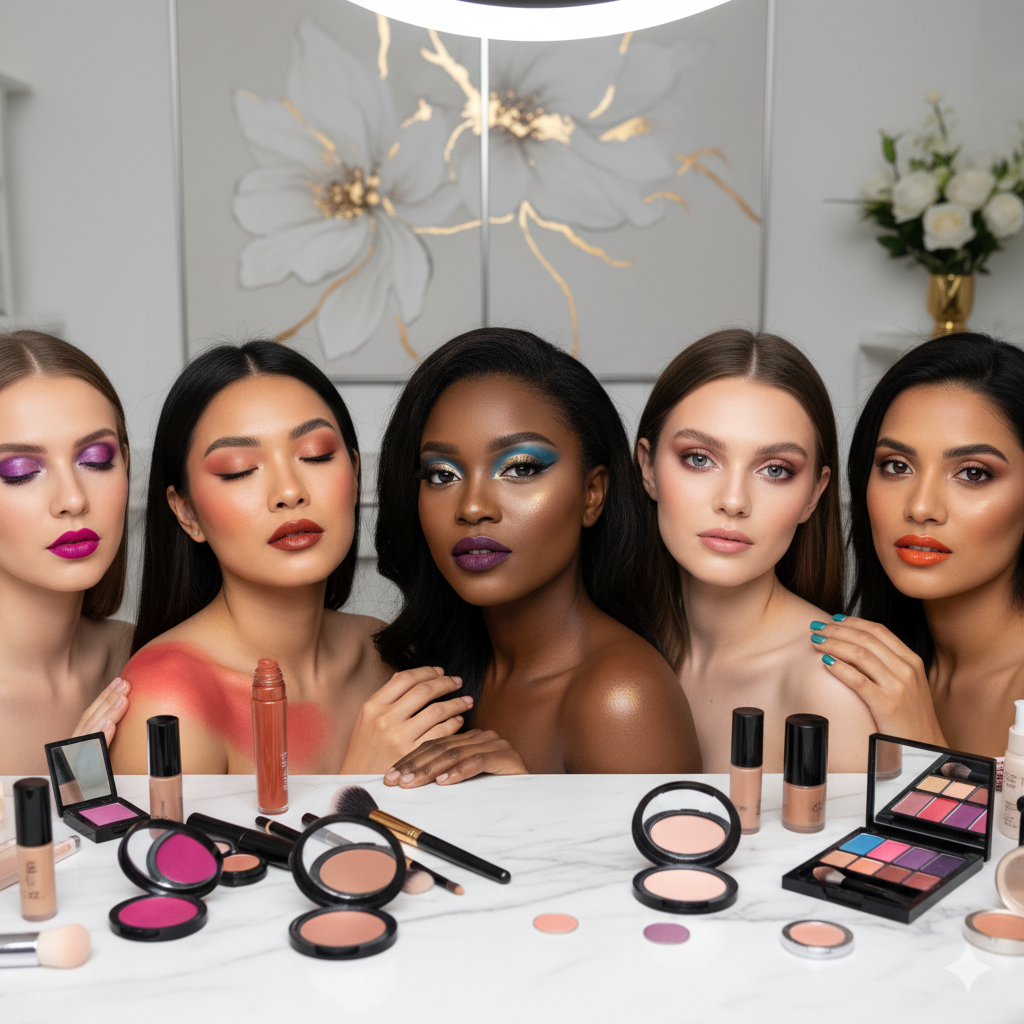 |
20 November 2025 |

|
Collaboration with Pegasis Image consultancyWe at AD SINGH take this honour to announce the collaboration with Pegasis Image consultancy. Pegasis is a leader in image consultancy for both corporate and individual image making. |
19 March 2021 |
|
|
Colour Analysis for Your Wardrobe Neutrals: Why Your ‘Safe’ Colours Might Be Your Worst OnesThe Neutral Trap: When ‘Safe’ Becomes HarmfulThe universally accepted wisdom is that neutrals are safe. Black goes with everything. White is always fresh. Beige is always elegant. Grey is always professional. And yet — for many people, some or all of these ‘safe’ neutrals are among the worst colours they can wear near their face. The reason is simple and consistent with everything colour analysis teaches: neutrals have undertones too. And when a neutral’s undertone clashes with yours, the effect is not neutral at all — it is actively unflattering. The Truth About BlackWho Black FlattersBlack is genuinely excellent for Cool Winters and Deep Winters — complexions that have the cool undertone and high-contrast depth to carry it harmoniously. On these complexions, black creates a striking, sophisticated frame that highlights strong features. Who Black Doesn’t FlatterFor warm-undertoned complexions — Springs and Autumns particularly — black near the face creates a cool-warm clash that introduces shadows, casts a grey pallor, and makes the complexion appear tired and drained. The same warm face that glows in deep warm chocolate brown or rich espresso appears flat and fatigued in black. For light seasons — Light Spring and Light Summer — the depth contrast of black is overwhelming. It draws all visual attention to itself and diminishes the delicate natural colouring it frames. The AlternativeFor warm complexions: deep warm charcoal, chocolate, rich navy (if your season extends there), or deep olive. For light complexions: medium tonal contrast rather than the maximum contrast that black creates. The Truth About WhiteWho White FlattersPure, brilliant white — with its cool, high-contrast clarity — is a Cool Winter’s neutral. Against a high-contrast cool complexion, brilliant white creates a crisp, radiant frame. Who White Doesn’t FlatterFor warm complexions, brilliant white has a cool, harsh quality that creates an undertone clash visible particularly near the face. A warm complexion next to brilliant white can appear sallow or dull. For soft complexions — Soft Summers and Soft Autumns — the high intensity of brilliant white overwhelms the soft, muted quality of the complexion and makes the face appear washed out. The AlternativeWarm seasons are better served by warm off-whites — ivory, cream, warm oyster. Soft seasons by soft white — not brilliant, but gently warm or cool depending on undertone direction. ✨ Pro Tip: Try this at home: hold both brilliant white and warm ivory fabric up to your face in good natural light. One will make you appear clearer, more rested, and more vibrant. The other will introduce subtle shadows or sallowness. Your eye will tell you which is your white. The Truth About Beige and TanBeige is often described as a universal neutral. In reality, beige spans a spectrum from cool pinkish taupe to warm golden sand — and only the end of that spectrum that matches your undertone will actually flatter you.
The Truth About GreyGrey has the same undertone variation as every other neutral. There is cool true grey, warm greige (grey with a golden undertone), and everything in between.
The Truth About NavyNavy is often presented as a universal alternative to black — more approachable but equally safe. The reality is more nuanced. Navy is a cool colour, and while it works beautifully across many seasons, some warm complexions are better served by deep warm teal or deep warm khaki green as their dark navy alternative. Building Your Season’s Neutral WardrobeAt The Finishing School’s colour analysis service, you receive not just your season’s best colours but a comprehensive neutral palette — the specific versions of black, white, grey, navy, beige, and brown that genuinely flatter your colouring. These become the non-negotiable foundation of your wardrobe, replacing the generic ‘safe’ neutrals that have been subtly working against you. |
23 June 2026 |

|
EB TIMESYou have to leave that movie-star status behind: Image consultants on celebs’ muted dress code at NCB questioning |
19 March 2021 |
|
|
Festive Season Colour Guide: What To Wear This Wedding and Festival Season, By Skin Tonefestive season outfit colours by skin tone India Trending Colours vs. Flattering Colours — They’re Not Always the SameEvery festive season brings its own ‘it’ colour — a shade that floods every store window and every influencer’s feed. The problem: a trending colour and a flattering colour are not automatically the same thing. Buying purely on trend, without checking it against your own skin tone, is one of the most common and most expensive festive shopping mistakes. A Quick Festive Colour Cheat Sheet By Undertone
Why Festive Shopping Needs More Strategy, Not LessFestive and wedding-adjacent shopping tends to happen in a rush — one function announced, one outfit bought under pressure, repeated across the season. This is exactly when colour mistakes pile up fastest, because there’s no time to check whether each purchase is actually working for you or just available in your size. How Colour Analysis Makes Festive Shopping Faster, Not SlowerOnce your personal colour palette is confirmed, festive shopping becomes dramatically quicker — you walk into a store already knowing which shelf to walk toward and which to skip, instead of trying on twelve options to find the one that works. Shop This Festive Season With Your Colours Already ConfirmedGet ahead of the festive rush. The Finishing School’s colour analysis sessions give you a complete, confirmed festive palette before the shopping chaos begins. Enquire now with Neha D Gupta to book your colour analysis session ahead of this season’s celebrations. |
2 August 2026 |

|
FoxinterviewerMeet the founder of “The Finishing School” image building firm- Neha D Gupta India’s most influential woman entrepreneur |
28 June 2025 |

|
HellowomeniyaMumbai based Image Consultant Neha D Gupta joins Hello Womeniya as Consultant Editor |
28 June 2025 |